For a lot of people, the idea of setting up a small workout corner at home starts with excitement. The thought feels simple. You imagine a machine, maybe a mat, maybe a small rack, and a routine that just fits into the day. But once you start looking around, the options for home gym equipment keep spreading out in all directions, and the decision stops feeling as simple as it did in the beginning.
One home gym equipment promises better features, another claims faster results, and somewhere in the middle, the real question slips away. What do you actually need, and what will you genuinely end up using? That is why choosing home gym equipment works better when it grows out of your goals rather than impulse.
Some people want to burn fat and move more freely through their day. Others want strength and stability. Maybe you want stronger legs or a steadier back. Or maybe you just want a workout habit that feels natural instead of forced. Once that intention becomes clearer, decisions already start feeling calmer.
This article is dedicated to everyone who is a little confused about choosing the best home gym equipment.
Home Gym Equipment for Weight Loss and Movement
When the goal leans toward weight loss, consistency usually matters more than intensity. People often look for home workout equipment that allows steady movement, something they can return to on most days without debating with themselves first. For some, that means walking or light jogging indoors when stepping outside does not feel convenient. For others, cycling feels kinder on the joints.
The important part is not whether the machine appears powerful. It is whether the movement feels natural enough that you do not avoid it. Many people discover this only after a few weeks. A piece of equipment may look impressive, but if the body feels uncomfortable while using it, the motivation slowly fades, and the machine turns into an object in the room rather than a partner in training.
Fitness Equipment for Home to Build Strength, Control, and Progress
Strength follows a very different rhythm. It rarely arrives in sudden jumps. It grows in small steps, through control, posture, and repeated effort. You do not always need large, complex machines for that. A few simple tools can support strength training effectively when they allow you to move with confidence instead of force.
What matters is how stable the equipment feels beneath your hands or under your feet. When equipment feels shaky, the body reacts on its own. It tightens up without you even realising it, and after a point, the exercise just stops feeling useful. It drifts away from what it was meant to do. Small increases in resistance, taken slowly, usually build strength that feels real. Not rushed. Not forced. It takes time, and the progress shows up quietly.
Endurance and Learning to Stay in Motion Longer
Endurance belongs to its own space in training. The effort stays lighter at first, but stretches across time. The body settles into a rhythm and remains there, and the equipment almost becomes a companion for that journey. The question shifts from “How heavy is this” to “Can I stay on this comfortably for a longer session?”
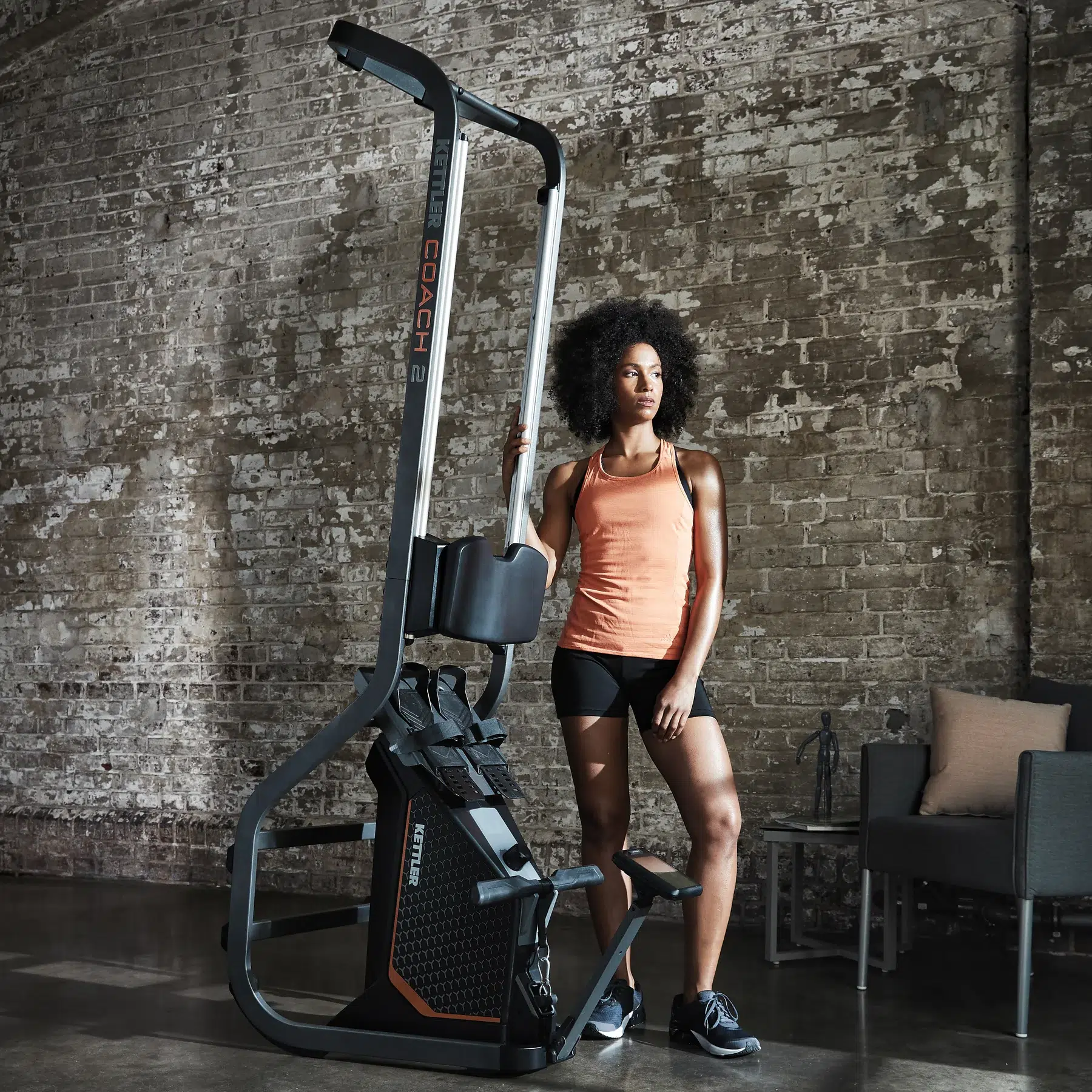
Some people find that a smooth cycling motion suits them. Others feel better with a rowing movement or something that spreads effort gently across the body. Comfort matters even more here because endurance sessions usually run longer than strength sets. When the movement feels supportive instead of demanding, staying consistent becomes easier.
The Reality of Space, Noise, and Daily Life at Home
There is also a quiet, practical truth people often notice only after the equipment arrives. A room changes the moment something big becomes part of it. Foldable or compact equipment can be useful in a small house, but only if opening it and packing it back does not start to feel like another task on your list. Whereas, placing cross training equipment might feel like a big hassle if you have a compact space.
Once it feels like effort, the habit begins to slip away before it even settles in. Most of the time, the setup that works best is simply the one that fits into your day without you having to keep shifting things around for it.
Listen to Your Body While You Decide
Product descriptions often talk about speed, intensity, or fast results. Real progress usually comes from something a little quieter. Real progress often comes from movements your body can hold with balance, the kind you can repeat without pain, and from routines you come back to even on the quiet days when motivation is not loud.
Try to choose a home gym setup that feels right for your body as it is right now. Not for some imagined version of yourself you think you should already be chasing. Comfortable movement does not make the workout easy. It just means the effort feels possible to continue. It simply means the effort feels possible to continue.
Bringing It All Together
When the home gym equipment slowly starts supporting your routine instead of sitting separately from it, it no longer feels like something you just bought. It becomes part of daily life in its own quiet way.
At Motion Fitness, we provide the best gym equipment care. With Motion Fitness being part of that process, working out at home feels more personal, a little steadier, and something you grow into over time instead of something you rush through.
About the author : Motion Fitness